Fluoplus® High-Performance Films: Empowering Photovoltaic Lightweighting and Long-Lasting Power Generation
In the context of the photovoltaic (PV) industry moving towards lightweight, flexible, and ultra-long service life, traditional encapsulation materials are facing a disruptive upgrade from high-performance fluoropolymer materials. As the “core protective substrate” for a new generation of lightweight PV modules and special PV systems, fluorine-containing PV films have become the preferred encapsulation and protection materials for building-integrated photovoltaics (BIPV), outdoor power stations, portable energy, and space photovoltaics. This is due to their extreme lightweight, super strong weather and aging resistance, high light transmittance with low degradation, and excellent water vapor barrier properties.
Relying on its deep accumulation of fluoropolymer modification technology, Fluoever New Material (Shanghai) Co., Ltd. is dedicated to creating the Fluoplus® series of dedicated PV film products. Based on core processes such as melt casting extrusion, interface activation bonding, and weather-resistant cross-linking modification, we have created four major dedicated PV film product lines: flexible PV front sheets, backsheet protection, module process release, and space PV encapsulation. We provide global customers with full-lifecycle PV encapsulation and protection solutions, from substrate customization and process adaptation to technical empowerment.
ETFE Film: The “Light-Transmitting Guardian” for High-Efficiency PV Module Front Sheet Protection
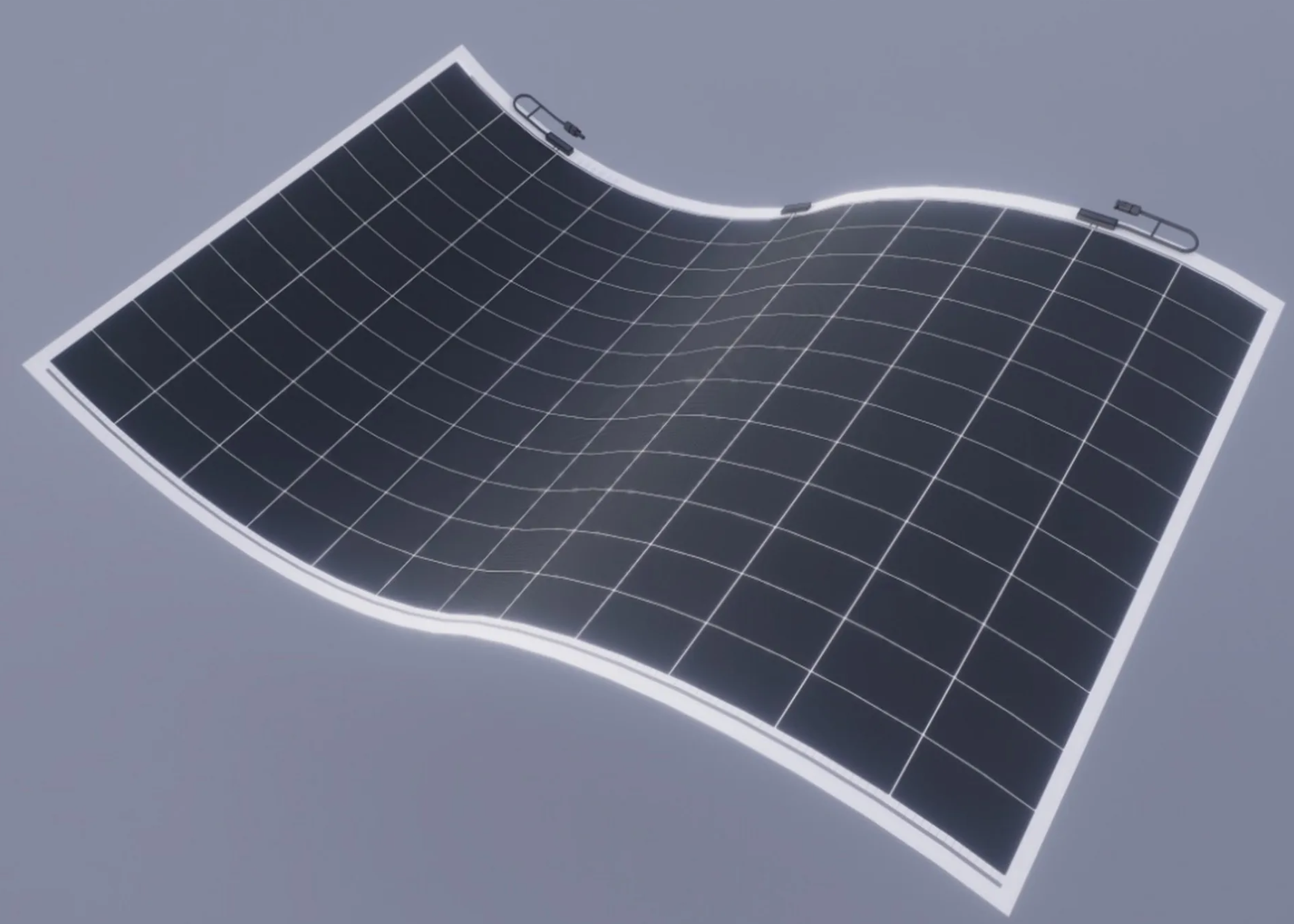
Fluoplus® ETFE is a high-transmittance film made from high-purity ETFE resin, continuously processed through casting and corona treatment in a Class 10,000 cleanroom. This film has the advantages of non-yellowing, non-cracking, low light transmission degradation, self-cleaning, and corrosion resistance. It can meet the service requirements of flexible and lightweight modules for long life, high light transmittance, and high reliability.
ECTFE Film: The “Gatekeeper” for Water Blocking and Corrosion Prevention of PV Backsheets
Fluoplus® ECTFE is a protective backsheet film made from high-purity ECTFE resin, continuously processed through casting and corona treatment in a Class 10,000 cleanroom. This film features excellent resistance to acid and alkali, salt spray, and damp heat corrosion, as well as outstanding water and gas barrier properties. It can meet the corrosion resistance and high barrier service requirements of power generation modules used in marine, chemical, and fishery-solar hybrid projects.
PFA Film: The “Protector” for PV High-Frequency Encapsulation Process Isolation

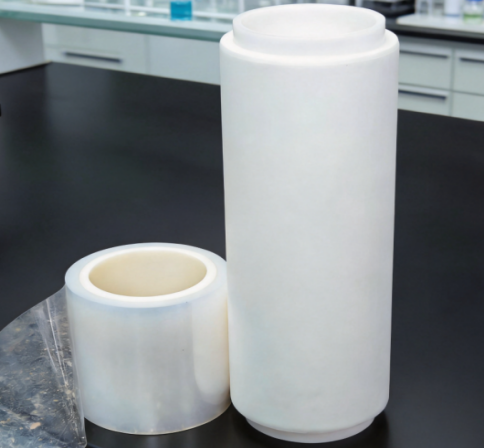
Fluoplus® PFA is an intrinsic release functional film made from high-purity PFA fluororesin through a casting process in a Class 10,000 cleanroom. This film has the advantages of no small molecule precipitation, no silicone contamination, recyclability, and a high temperature resistance rating. It meets the requirements of low migration, scratch resistance, and low residue for high-speed PV lamination, flexible battery, and perovskite solar cell encapsulation processes.
X-ETFE Film: The “Sky Defender” for Core Encapsulation Protection of Space PV Flexible Solar Arrays
Fluoplus® X-ETFE is a high-purity thermosetting film made from modified ETFE fluororesin, continuously processed through casting, irradiation, and annealing in a Class 1,000 cleanroom. This film features high light transmittance, low outgassing, dimensional stability, and excellent resistance to atomic oxygen erosion and UV irradiation. It can meet the long-life and highly reliable on-orbit service requirements of spacecraft such as satellites and space stations.

Fluoever New Material: Your Trusted Smart Manufacturing Expert of Fluoropolymer Films
As a professional manufacturer deeply rooted in the field of high-performance fluoropolymers and engineering plastic films, Fluoever New Material (Shanghai) Co., Ltd. consistently integrates the concepts of excellent quality, customized development, and low-carbon environmental protection into the production of every roll of film.
The company has set up multiple high-precision extrusion casting and surface treatment professional production lines. Benchmarking against aerospace material specifications and the top quality control standards of the PV industry, we strictly control the thickness tolerance, light transmittance uniformity, weather resistance stability, and water vapor barrier consistency of the Fluoplus® series of fluoropolymer films. Whether it is the long-term outdoor wind, sand, and aging resistance needs of ground-based centralized PV power stations, the temperature and water vapor sealing standards for distributed residential modules, or the long-life on-orbit protection requirements of space flexible solar arrays in extreme space environments, our professional R&D technical team can customize a complete set of exclusive PV encapsulation material solutions on demand. This includes film thickness customization, surface microstructure modification, atomic oxygen protection modification, cross-linking creep resistance treatment, and composite bonding adaptation.
If you are iterating the next generation of highly efficient ground PV modules, ultra-thin flexible PV panels, space PV front and back sheets, or release encapsulation materials, please contact Fluoever New Material. Let us work together to expand the application boundaries and development dimensions of the PV new energy industry, relying on core fluoropolymer material technologies.
Related Products
FKM
FFKM
BOAP
PPA
Bisphenol AF